How Modern Security Screens Combine Style And Safety
Picture a Ballina home with the doors thrown open, a sea breeze moving through the living room and not a single mosquito in sight. That's the everyday reality security screens are meant to deliver, yet many homeowners still picture the same bulky, diamond-grille screens their parents had decades ago.
Today's security screens in Ballina look nothing like those old designs. Slim frames, discreet mesh and a range of finishes mean a screen can protect a home without hiding it. This shift in design and materials is worth understanding, especially for anyone weighing up how to keep a home secure without giving up its street appeal or its outlook.
Security Screens Have Come a Long Way
Older security screens were built for one purpose only: keeping intruders out. That single-minded focus produced heavy steel grilles, chunky frames and a look that many homeowners associated with commercial buildings rather than family homes. The trade-off was clear at the time; security came at the cost of light, airflow and street appeal.
Manufacturing has moved on considerably since then. Aluminium framing, finer mesh weaves and improved fixing systems have allowed screens to become far less intrusive while still doing the job they're designed for.
- Older screens relied on thick steel bars and visible grilles.
- Modern frames use slimmer aluminium extrusions that hold their strength without the bulk.
- Mesh technology has advanced to the point where fine stainless steel weaves are barely noticeable from a normal viewing distance.
- Powder-coating techniques now allow frames to be finished in a wide range of colours rather than a handful of basic tones.
The result is a product that sits quietly on a home rather than announcing itself. For Ballina homeowners renovating or building new, this evolution means security no longer has to be a visual compromise.
How Modern Security Screens Enhance Your Home's Style
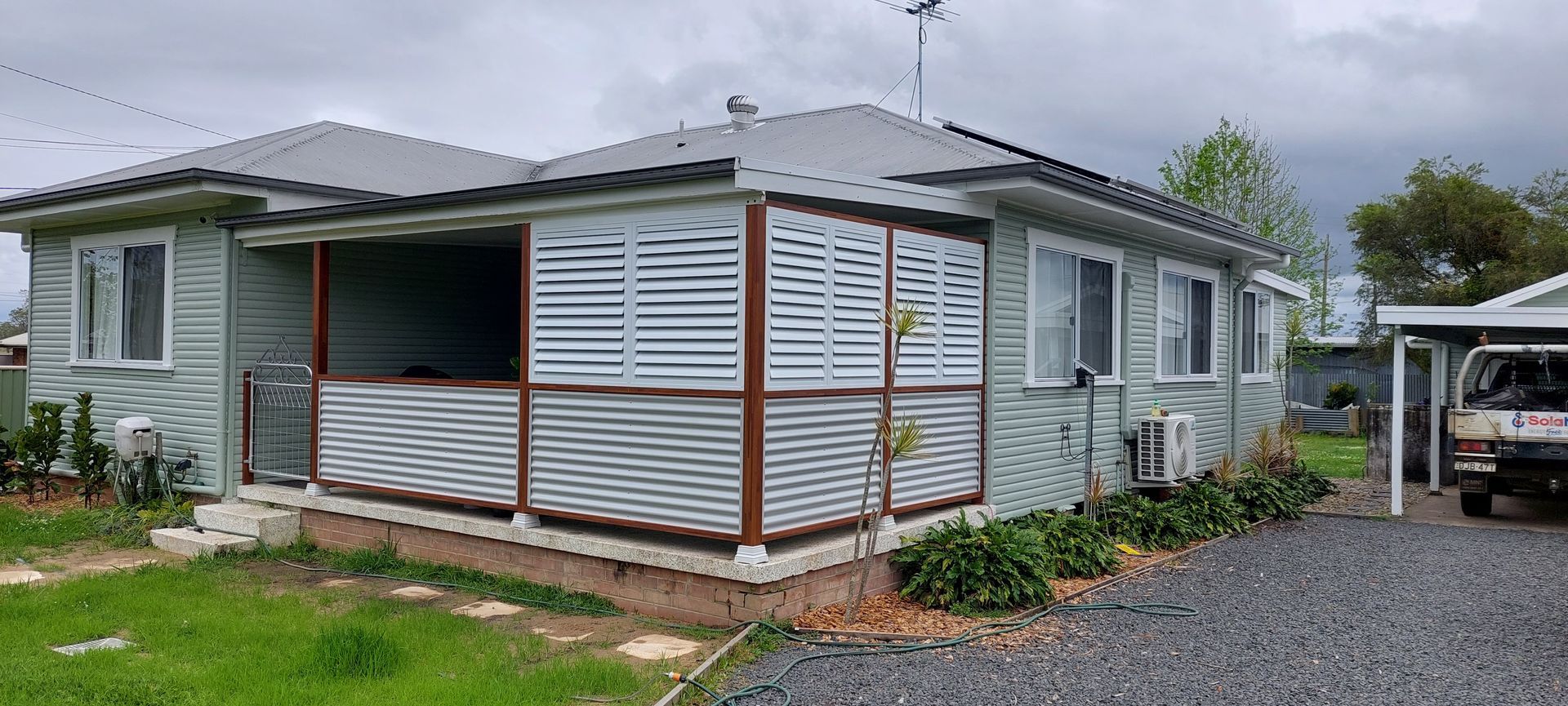
A well-chosen screen should complement a home's architecture, not fight against it. Frame colour, finish and profile all play a part in how a screen reads against a facade, and there's now enough variety to suit most building styles found around Ballina and the surrounding coast.
- Frame colours can be matched to existing window and door trims, or chosen to contrast subtly for a modern look.
- Slim sightlines keep sliding and hinged security doors visually light, so they don't dominate an entryway.
- Fine mesh options preserve outward visibility during the day, which matters for homes taking in river or coastal views.
- Finishes range from satin and matte powder-coats to timber-look options for homes with a more traditional facade.
Coastal properties in particular benefit from screens that let sea breezes through while keeping the salt-laden air from causing the wear that timber or unprotected metal can suffer. A screen chosen with the home's style in mind ends up looking like part of the original design rather than an add-on.
Safety You Can Rely On
Style improvements haven't come at the expense of protection. Quality security screens are still built to resist forced entry, and the materials and hardware used make a measurable difference to how well a screen performs under stress.
- Stainless steel mesh resists cutting, prising and impact far better than standard fly screen material.
- Tamper-resistant frames use concealed fixings and reinforced corners so the screen can't easily be levered off its frame.
- Quality locking mechanisms add a second layer of resistance beyond the mesh and frame itself.
- Screens manufactured and installed to meet Australian Standard AS5039 have been tested against recognised criteria for security screen doors and windows.
For homeowners, this means a screen doesn't need to look imposing to be effective. The security comes from what's built into the product, not from how heavy or visible it appears from the street.
Style and Safety Working Together
The real value of a modern security screen shows up in daily use. A screen that looks good and performs well lets a household leave doors and windows open with confidence, which matters through Ballina's warmer months when cross-ventilation makes a noticeable difference to comfort indoors.
Consider a few common scenarios:
- A family leaves sliding doors open on a summer evening, relying on the screen to keep insects out while still allowing airflow through the house.
- A home near the river keeps window screens in place year-round, protecting against both intrusion and the salt air that can affect fittings over time.
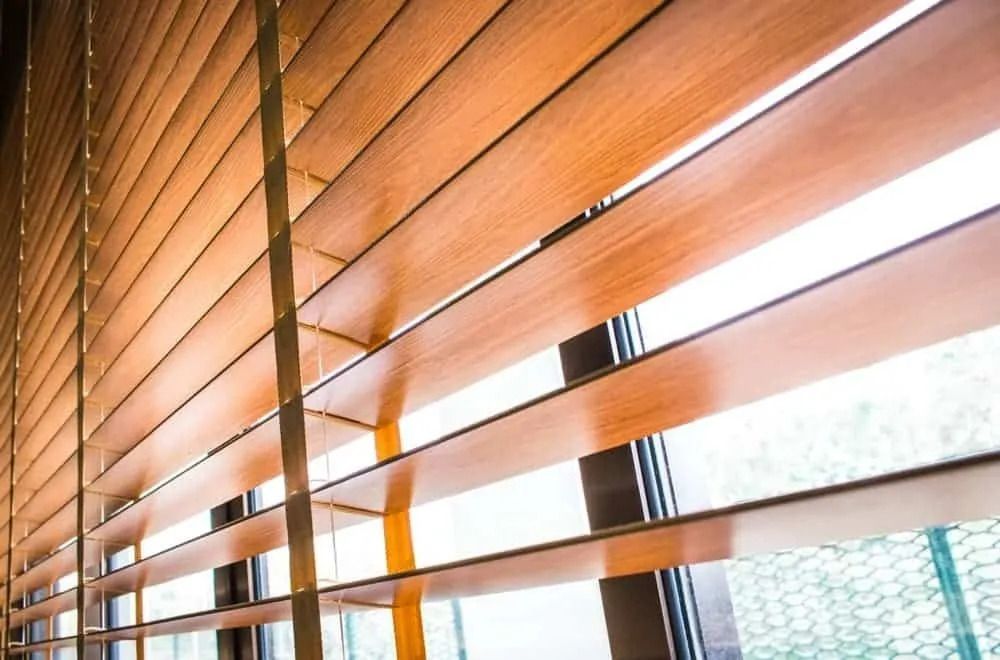
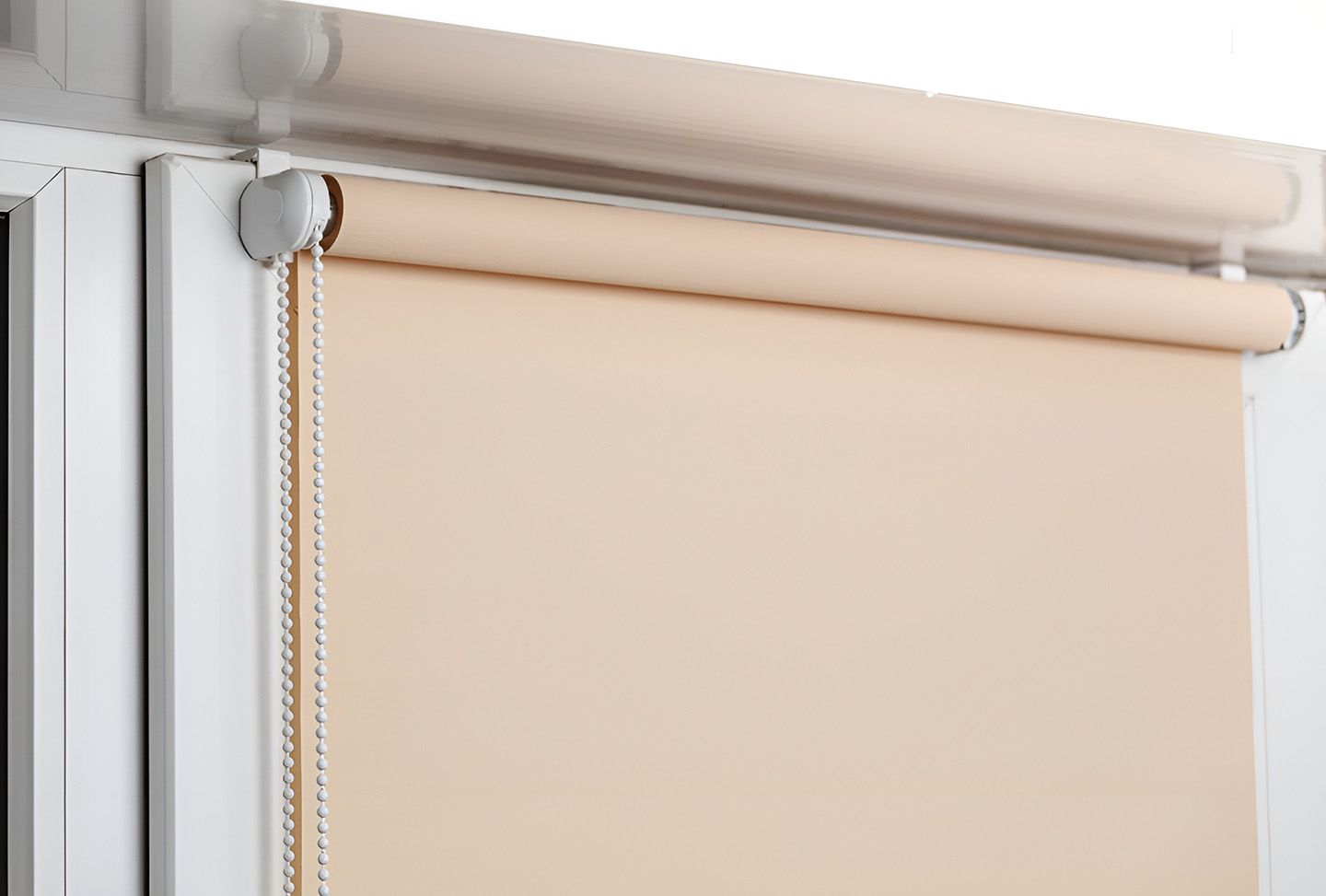
- A renovated coastal cottage pairs security screens with coordinating window furnishings, such as blinds in Ballina, to bring a consistent look across the whole home.
These examples show why screens are best considered alongside the rest of a home's design, rather than treated as a separate, purely functional item fitted as an afterthought.
Choosing the Right Security Screens for Your Home
Selecting the right screens involves a handful of practical decisions, and getting these right early makes a real difference to how the finished product looks and performs.
- Doors versus windows: entry doors generally need a different frame configuration to fixed or sliding windows, so it's worth considering each opening separately.
- Mesh type: stainless steel offers strong security performance, while other mesh options may suit lower-risk areas or budget considerations.
- Colour matching: taking paint codes or photos of existing trims helps when matching frame colours during a quote.
- Budget: costs vary depending on mesh type, frame finish and the number of openings being screened, so it helps to get a clear breakdown before deciding.
- Professional measure and quote: openings are rarely perfectly uniform, so an accurate on-site measure avoids fitting issues later.
Homeowners along the coast, including those further north towards Byron Bay, often face similar decisions around salt exposure and ventilation, and the same principles apply whether the property sits in Ballina or across the wider Byron Bay region.
Why Choose Budget Screens & Awnings in Ballina
Made-to-measure manufacturing means every screen is built to fit the specific dimensions of a home, rather than adapted from a standard size. This matters for older Ballina homes with non-standard openings as well as new builds designed with particular sightlines in mind. A local team brings practical knowledge of the area's climate and architectural styles, from character cottages to newer coastal builds, and that understanding feeds into product recommendations that suit the local conditions.
Professional installation ensures screens are fitted correctly from the start, which affects both how well they operate day to day and how long they last.
Get in Touch
We at
Budget Screens & Awnings can arrange a measure and quote for
security screens in Ballina, talk through frame colours, mesh options and door configurations, and help you find a screen that suits both your home's style and your security needs. If you're ready to move forward, give our local team a
call or send through an
enquiry and we'll organise a time that works for you.
Frequently Asked Questions
Do security screens reduce natural light inside the home?
Modern fine mesh options are designed to have minimal impact on natural light compared to older, heavier grille designs. Most homeowners find the difference in brightness is barely noticeable once the screens are installed. Frame profile also plays a part, with slimmer frames allowing more visible glass area.
Can security screens be matched to my existing window and door colours?
Yes, frames are available in a range of powder-coated finishes, and matching or contrasting colours can be selected during the quoting process. Bringing paint codes or photos of your existing trims to the consultation helps achieve an accurate match.
Are security screens suitable for coastal properties exposed to salt air?
Stainless steel mesh and quality powder-coated aluminium frames are well suited to coastal conditions, as they resist the corrosion that salt air can cause over time. Regular cleaning still helps maintain their appearance and performance in these environments.
How long does installation typically take?
Installation time depends on the number of openings being screened and the complexity of each fitting, but most residential jobs are completed within a day. An accurate initial measure helps keep the installation process straightforward and minimises delays on the day.