How Blinds Help Regulate Indoor Temperatures in Ballina
A home can feel noticeably warmer the moment sunlight begins streaming through uncovered windows. What starts as natural light can quickly turn into unwanted heat, especially during long afternoons when surfaces absorb and hold warmth. For many households, managing indoor temperature becomes a daily balancing act between comfort and energy use.
While air conditioning plays a role, it is not always the most practical first line of defence. This is where thoughtfully chosen
blinds in Ballina can make a difference. Beyond privacy and style, blinds act as a barrier between your interior space and external conditions, helping to manage heat, light and airflow throughout the day.
Sunlight through uncovered windows can quickly raise indoor temperatures
Glass windows allow natural light to enter, but they also invite heat. When sunlight passes through, it warms floors, furniture and walls, gradually increasing the temperature inside. This effect can build over hours, particularly in rooms exposed to direct sun.
Without any form of shading, indoor spaces may retain this heat well into the evening. This can lead to increased reliance on cooling systems and discomfort during warmer periods.
Blinds act as a simple but effective layer between the glass and interior space. By limiting how much sunlight enters, they help reduce the amount of heat absorbed inside the home, creating a more manageable indoor environment.
How different blind styles manage heat and airflow throughout the day
Not all blinds perform the same way when it comes to temperature control. Different styles are designed to either block, filter or redirect light, which directly impacts how heat enters a room.
Common options include:
- Roller blinds that provide a clean barrier against direct sunlight
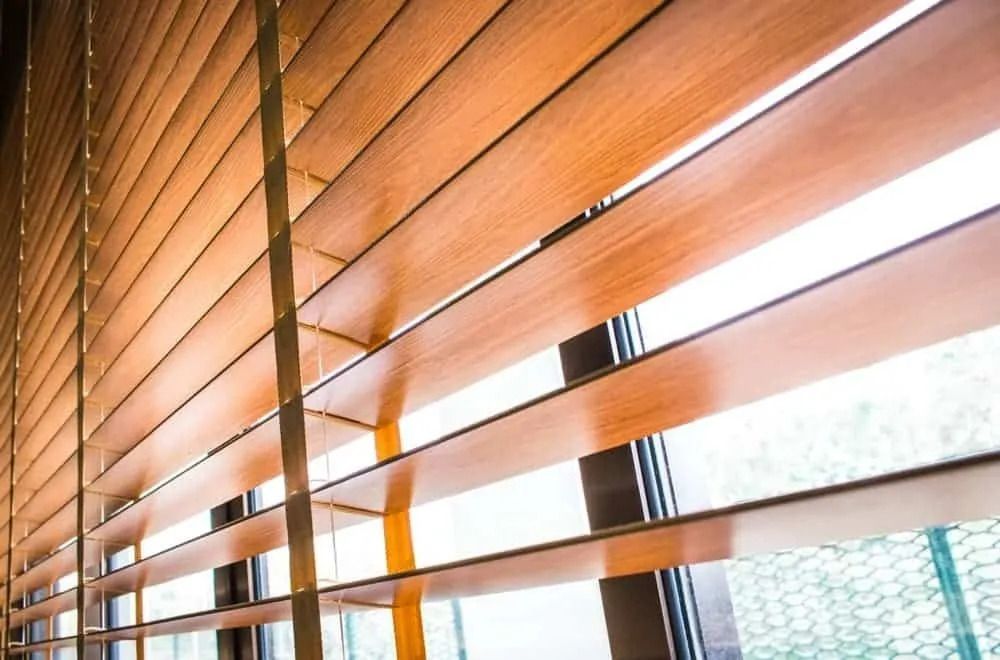
- Venetian blinds that allow adjustable airflow and light control
- Vertical blinds suited to large windows and sliding doors
- Cellular designs that trap air and create an insulating layer
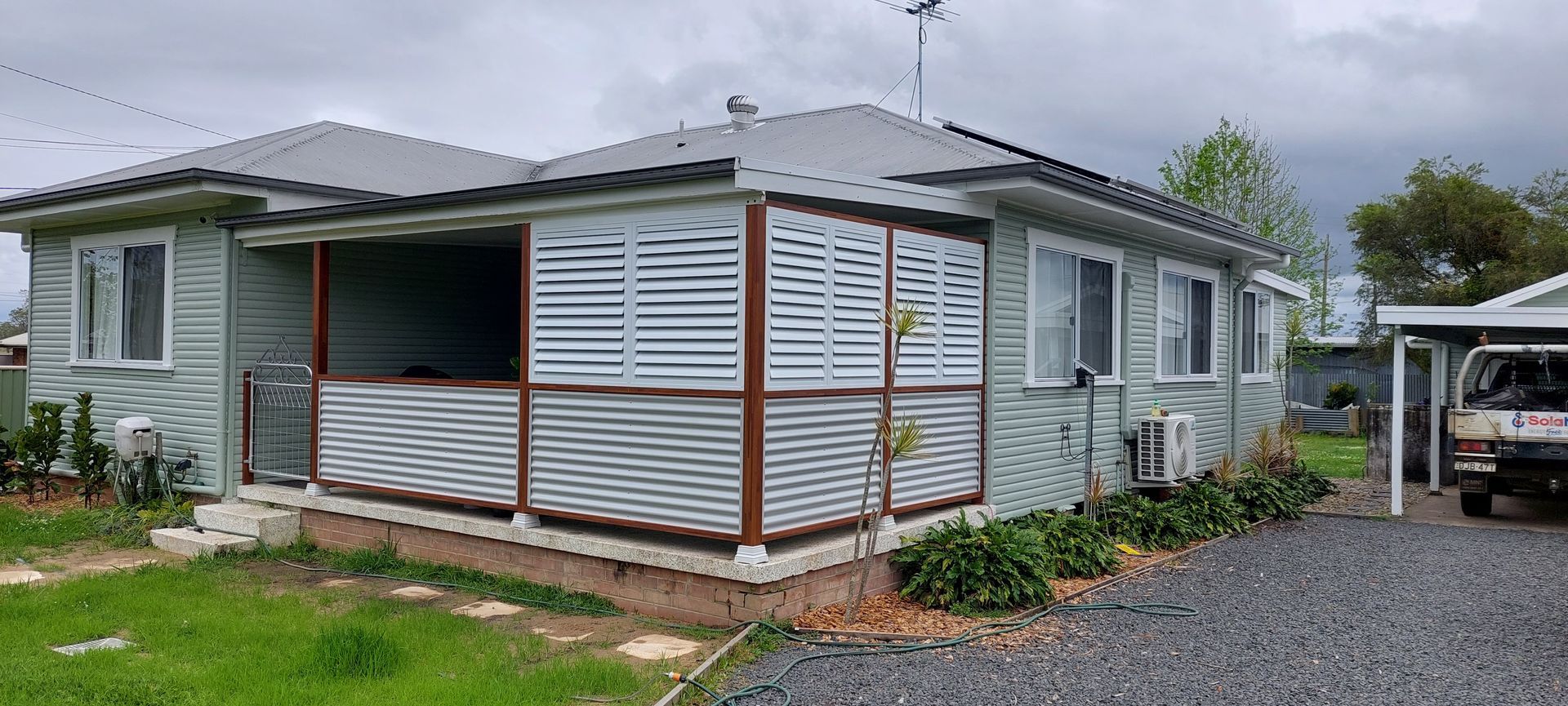
Selecting the right style depends on how each room is used and how much sun exposure it receives. Many homeowners exploring blinds in Northern Rivers consider these variations to balance airflow and shading effectively.
The role of materials in blocking or reflecting heat
The material used in blinds plays a significant role in how well they regulate temperature. Some materials are designed to reflect heat, while others absorb or diffuse it.
For example, lighter-coloured fabrics can reflect sunlight, reducing heat transfer into the room. Thicker materials may provide more insulation, limiting both heat gain and loss. Timber or PVC options can also create a solid barrier that helps reduce direct heat exposure.
Choosing materials carefully allows homeowners to tailor their window furnishings to suit both aesthetic preferences and practical needs. Over time, this can contribute to a more stable indoor temperature without relying solely on mechanical cooling.
Light control isn’t just about brightness — it affects comfort and cooling
Managing light is closely linked to managing heat. When glare is reduced, the amount of direct sunlight entering a room is also controlled, which can help maintain a more comfortable temperature.
Blinds can assist by:
- Filtering harsh sunlight without fully blocking natural light
- Reducing glare on screens and reflective surfaces
- Limiting heat build-up during peak daylight hours
- Creating a more balanced indoor environment
Adjustable designs allow homeowners to fine-tune light levels throughout the day. This flexibility supports both comfort and energy efficiency, particularly in areas that receive strong sunlight.
Well-fitted blinds reduce gaps that let warm air inside
The way blinds are installed can influence how effectively they regulate temperature. Poorly fitted blinds may leave gaps along the edges, allowing warm air to enter and circulate.
Custom-fitted blinds are designed to align closely with window frames, minimising these gaps. This helps create a more consistent barrier against external conditions, reducing unwanted heat transfer.
Proper installation also supports smoother operation and long-term use. Considering made-to-measure options can provide a more tailored solution that aligns with both the structure of the home and its temperature control needs.
Seasonal adjustments: using blinds differently in summer and winter
Blinds are not a one-season solution. How they are used can change depending on the time of year and the position of the sun.
Practical adjustments include:
- Closing blinds during the hottest parts of the day in summer
- Opening them in the morning to allow natural light without heat build-up
- Using angled slats to redirect sunlight rather than block it entirely
- Allowing sunlight in during cooler months to naturally warm interiors
These small changes can influence how heat moves through a home, making blinds a flexible tool for managing comfort throughout the year.
Layering blinds with other window furnishings for improved insulation
In some homes, blinds are used alongside other window furnishings to enhance insulation. Combining different elements can create multiple layers that work together to regulate temperature.
For example, pairing blinds with curtains can help trap air between layers, reducing heat transfer. External solutions such as awnings may also limit how much sunlight reaches the window in the first place.
This layered approach can be particularly useful in rooms with large windows or strong sun exposure. By combining options, homeowners can create a more controlled indoor environment without relying solely on one solution.
Professional advice can help match blind solutions to your home’s layout
Choosing the right blinds involves more than selecting a style. Each home has unique factors such as window size, orientation and usage patterns that influence what will work best.
A window furnishing provider can assist by:
- Assessing how sunlight moves through different areas of the home
- Recommending suitable blind types for each space
- Measuring windows for a more accurate fit
- Guiding installation to support long-term performance
For those considering blinds in Ballina, tailored advice can help align design choices with practical outcomes, making it easier to manage indoor temperatures effectively.
Living in Ballina often means dealing with strong sunlight, warm afternoons and changing coastal conditions that can affect indoor comfort. Managing heat at the window level can make a noticeable difference in how a home feels throughout the day. At
Budget Screens & Awnings, we work with homeowners across Ballina and the wider Northern Rivers region to find blind solutions that suit both lifestyle and climate. If you are looking to improve comfort with well-fitted blinds near you, consider
reaching out to our team today to discuss options that align with your space and needs.